

You can figure out if something is truly family friendly by asking a handful of sharp questions, watching for red flags, and trusting your gut about your own kids’ limits. There’s no universal seal of approval because every family has different thresholds for humor, noise, intensity, and content. What works beautifully for one household might be a disaster for another, and that’s completely okay.
I remember standing in a movie theater lobby a few years ago, frantically Googling whether a PG film was genuinely suitable for my then-six-year-old, only to find vague marketing language and zero practical details. I learned the hard way that “fun for the whole family” often means something wildly different to the people selling the experience than it does to the parent managing bedtime meltdowns afterward.
The real trick is building a personal framework you can apply quickly to any situation, whether you’re choosing a vacation spot, a restaurant, a streaming show, or a local event. You need to know which specific elements matter most to your crew (are you worried about language, scary visuals, or just plain boredom?), where to dig for honest reviews beyond the promotional copy, and how to spot warning signs buried in fine print or user comments.
This guide will walk you through the exact questions to ask, the research shortcuts that actually save time, and the adaptive strategies that let you say yes more often without second-guessing yourself. Because confidence in your choices beats perfection every single time.
What ‘Family-Friendly’ Really Means (And Why It Matters)
I’ve watched “family-friendly” become the most overused term in marketing. Restaurants slap it on menus if they have chicken fingers. Museums claim it if they don’t actively ban children. Theme parks use it even when half the rides require a 48-inch height minimum. The label has lost all meaning.
Here’s what nobody tells you: family-friendly shouldn’t describe the venue. It should describe whether something actually works for your specific family. A brewery with lawn games might be perfect for your low-key elementary schoolers but torture for your sensory-sensitive toddler. That fancy brunch spot with the kids’ menu could be great for your well-mannered tweens but a nightmare with your curious crawler who can’t sit still.
Your family’s ages matter enormously. A seven-year-old and a teenager don’t need the same things. Neither do a family with all girls versus one with rambunctious boys. Physical abilities, sensory needs, attention spans, dietary restrictions, they all factor in. What your sister’s kids love might bore yours to tears.
And let’s talk about the real cost of getting it wrong. You’re not just out the admission price. You’ve burned a Saturday morning, dealt with disappointment, managed meltdowns in the parking lot, and possibly ruined everyone’s mood for the rest of the day. Those hours don’t come back. That’s why figuring out what’s genuinely right for your crew matters so much. Generic promises don’t cut it anymore.
The Five Questions That Never Lie
Can Everyone Actually Participate?
This is the question that separates genuinely inclusive experiences from those where half your family ends up bored spectators. Look beyond the stated age range, a “suitable for ages 3-12” label doesn’t tell you if your three-year-old will actually enjoy it or just watch their older siblings have fun. Check whether activities have built-in adaptations for different abilities and attention spans.
The real test? Imagine your least patient family member there. If your toddler needs constant movement, can they explore safely while siblings participate? If your teen would rather be anywhere else, is there something that might actually engage them? Meaningful participation means everyone leaves feeling like they got something out of the experience, not just that they survived it while Mom enjoyed herself.
What Happens When Things Go Sideways?
The best family-friendly experiences have a plan for chaos. Can you leave mid-experience without forfeiting everything? Are staff trained to handle crying kids without judgment? I learned this the hard way at a “family” brunch where my daughter’s food allergy sent us scrambling, only to discover the kitchen couldn’t accommodate substitutions, even simple ones like blood sugar-friendly options for my diabetic mom.
Look for places that explicitly mention flexible ticketing, easy bathroom access throughout the venue, and menus with actual allergen information rather than vague disclaimers. Check if there’s a quiet space for overstimulated kids or a clear path to exit without disrupting others. The venues that anticipate these needs, posting them on their website or mentioning them when you call, prove they’ve thought beyond the marketing brochure to real family life.
Is the Timing Truly Flexible?
Anyone who’s tried dragging a toddler through a museum at 2pm knows that timing isn’t just a detail, it’s everything. Yet many experiences lock you into rigid schedules that clash spectacularly with real family life.
Start by asking: How long does this actually take? A “quick” activity that stretches past your two-year-old’s recommended sleep duration window becomes a disaster, no matter how fun it promises to be. Look for experiences that let you arrive and leave on your terms rather than forcing you through a timed entry or multi-hour commitment.
The best family-friendly options acknowledge that kids run on their own clocks. Can you pop in for thirty minutes or do you need to stay until the scheduled end? Will they accommodate an earlier lunch if your crew gets hungry at 11am? Flexibility around your family’s natural rhythms, meals, naps, energy peaks and crashes, separates genuinely workable experiences from those that just sound good on paper.
What Are Other Parents Actually Saying?
Real parent reviews are your secret weapon, but you’ve got to know where to look. Skip the shiny testimonials on a company’s website and head straight to Google reviews, Facebook parent groups, or even Instagram location tags where families post unfiltered photos and honest captions.
Watch for patterns in negative reviews, one complaint about slow service might be a fluke, but five mentions of “not enough changing tables” or “staff seemed annoyed by kids” tells the real story. Pay special attention to reviews from parents with kids similar in age to yours.
When descriptions sound too perfect (“fun for the whole family!”), dig deeper. What specific ages enjoyed it? Were there actual kid-friendly features, or just tolerance? The parents who write “my three-year-old loved the interactive exhibits but my eight-year-old was bored in twenty minutes” are giving you gold.
Does the Value Match the Chaos Level?
Let’s be honest: some family outings cost you way more than the ticket price. I’m talking about the emotional currency, the prep work, the negotiations, the snack packing, the potential meltdowns, and that feeling of needing a vacation from your vacation.
Before committing, I ask myself: “Will we actually remember this fondly, or will I just remember the parking nightmare?” Consider what you’re investing beyond money. A two-hour drive, rigid schedules, and complicated logistics can drain the joy fast. Meanwhile, a simple picnic might deliver better memories with zero stress.
Think about your family’s chaos tolerance that day. We all have different thresholds, and they shift depending on everyone’s mood and energy. If something requires your absolute best behavior from everyone involved, save it for when you’re all in peak form. The best family-friendly experiences give you something meaningful without demanding perfection in return.
Red Flags That Scream ‘Not Worth It’
I’ve learned to spot the warning signs before we even leave the house, and trust me, they’ve saved us from more than a few disasters.
Vague or Missing Age Information
When a venue’s website says “fun for all ages” but doesn’t specify what kids can actually do at different developmental stages, that’s your first clue. Family-friendly places worth visiting spell it out: “climbing wall for ages 5+, soft play area for toddlers.” If you’re squinting at stock photos of generic happy families with no real details, keep scrolling.
The Fine Print Gets Weird
Watch for restrictions buried in policies: “no strollers after 11am,” “children must remain seated at all times,” or “no outside food or beverages” with zero accommodation for formula, allergy-friendly snacks, or toddler necessities. Real family-friendly spots understand that families come with stuff and needs.
Radio Silence on Amenities
No mention of bathrooms, changing tables, or nursing areas is a massive red flag. Places that genuinely welcome families proudly advertise these features. Similarly, if there’s no information about parking or accessibility, they probably haven’t thought about the logistics of getting three kids, a diaper bag, and possibly a stroller from car to entrance.
Suspiciously Perfect Reviews Only
All five-star reviews from accounts with no other activity? Generic praise like “great experience” with zero specifics? That’s not helpful. Look for the three- and four-star reviews where parents share honest details about wait times, noise levels, or how their kids actually responded.
Pricing That Doesn’t Add Up
When a place charges full adult prices for a two-year-old or has hidden fees for basic needs like parking or equipment rental, they’re not really thinking about families. The math should make sense for what you’re getting, not feel like you’re being nickel-and-dimed before you even arrive.
Where to Find the Truth Before You Commit
You know that sinking feeling when you’ve already paid the deposit and then discover the place has terrible reviews for families? Let’s fix that.
Start with Google reviews, but don’t just skim the star rating. Search within reviews for terms like “kids,” “toddler,” or “family” to surface relevant experiences. A 4.5-star restaurant might drop to 2 stars when you filter for family mentions. Look for reviews from the past three months, family-friendliness can shift with new management or seasonal crowds.
Facebook parent groups in your area are gold mines. Post a quick question like “Has anyone taken kids to [place]? Worth it?” Real parents will tell you things no official review mentions: the actual wait times, whether high chairs are clean, if staff seemed annoyed by children. Join groups now, even if you don’t need them immediately, so you have access when planning.
Instagram location tags show unfiltered reality. Browse photos tagged at the venue to see actual families there, crowd levels, and whether the space looks manageable with your crew. Stories often capture the chaos reviews don’t mention.
When you’re ready to move forward, here’s your vetting process:
- Call during off-peak hours when staff have time to answer questions honestly
- Ask specific scenarios: “What happens if my toddler needs to leave mid-meal?” or “Is there shade at the playground in August?”
- Request to speak with a manager if the first person seems uncertain about family policies
- Note how they respond to your questions, dismissive answers are red flags
- Ask for their cancellation or refund policy in writing if committing significant money
The person answering your questions reveals a lot. Patience and detailed answers suggest they actually welcome families. Vague responses or irritation? Trust that gut feeling.
Local parent groups on apps like Nextdoor often share recent experiences others won’t post publicly. One honest “we left after 20 minutes” comment can save you hours of frustration.
Making Any Experience More Family-Friendly

Here’s the truth most “family-friendly” marketing won’t tell you: sometimes you need to make it work yourself. Even mediocre experiences can become wins when you control what you can control.
Start with timing. Arrive right when doors open or during off-peak hours, you’ll skip crowds and get staff attention when everyone’s fresh. Know your family’s energy window and protect it fiercely. If your kids crash at 2pm, don’t book a 1:30 activity hoping for the best.
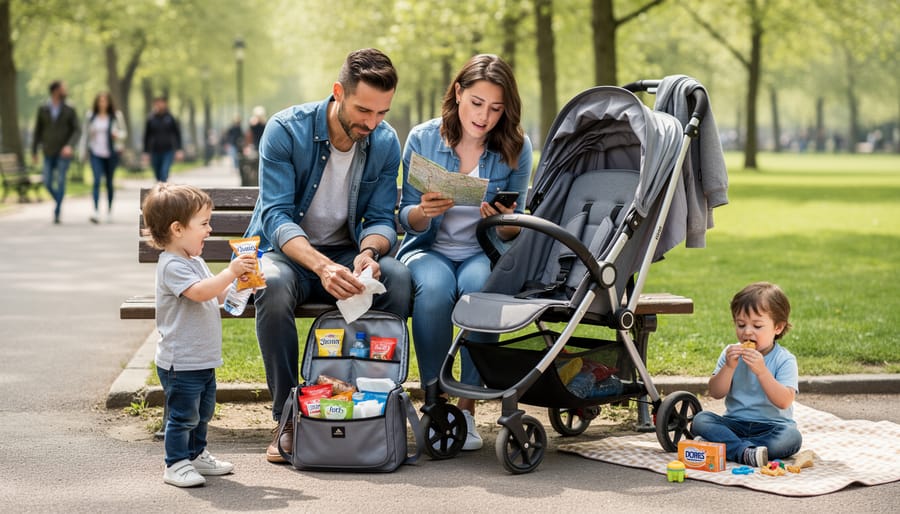
Pack like you’re planning for chaos, because you are. I never leave home without snacks (hunger turns everything into a disaster), wet wipes, a portable charger, and entertainment for waiting periods. Having easy family snacks in your bag means you’re not held hostage by overpriced concession stands or limited food options. A smoothie backup option before you leave can also buy you precious extra time before someone melts down from low blood sugar.
Set expectations before you go. Tell your kids what to expect, what behavior you need, and what the reward is for cooperation. They handle new situations better when they’re not surprised.
Always have an exit strategy. Park close to exits, know where bathrooms are, and give yourself permission to leave early without guilt. Staying through a meltdown helps no one.
Finally, speak up. Ask for accommodations, request modifications, and advocate for what your family needs. Most places want to help, they just don’t know what you need unless you tell them. You’re not being difficult; you’re being a good parent.

You know your family better than any marketing department ever will. Trust that expertise. When something feels off during your research, it probably is. And when you find an experience that checks your boxes? You’ll recognize it.
The families who enjoy outings the most aren’t the ones who settle for whatever claims to be family-friendly, they’re the ones who ask questions, read between promotional lines, and apply creativity for better plans that actually fit their crew.
What’s your best tip for evaluating whether something will truly work for your family? Share in the comments, I’d love to hear what questions you always ask or what red flags have saved you from disaster.