
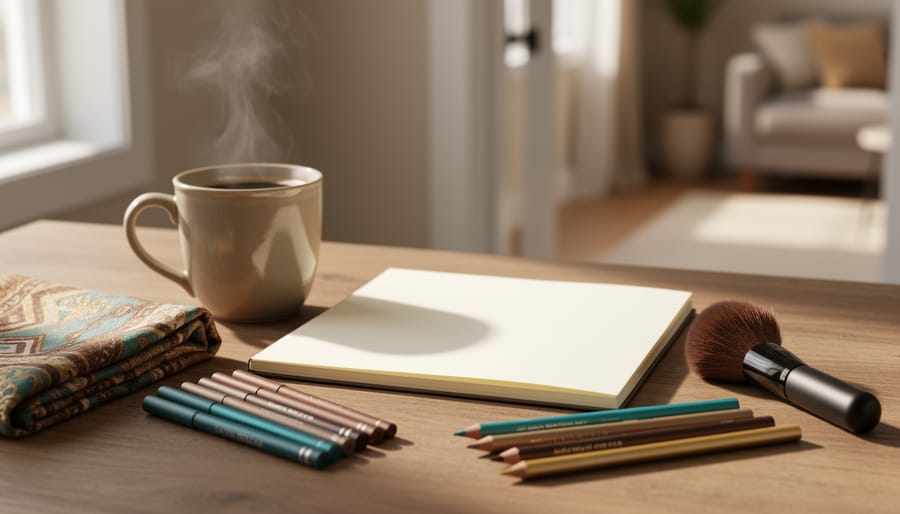
Creativity enhancement isn’t about finding more hours in your day or enrolling in art classes. It’s about weaving small, intentional habits into the routines you already have. Think five minutes of morning doodling while your coffee brews, swapping your usual dinner recipe for a wild flavor experiment, or mixing patterns in your outfit that you’d normally keep separate. These micro-moments of playful choice rewire how you approach problems, spark fresh ideas, and remind you that creative thinking lives in the everyday moments you might otherwise overlook.
The truth is, most of us already possess the raw materials for a richer creative life. We just need permission to use them differently. I started noticing this shift in myself when I began challenging one small decision each day, whether that meant rearranging my living room on a Tuesday morning or trying a new eyeliner technique before school drop-off. Those tiny acts of creative courage built momentum. Over time, they changed not just what I made or wore, but how I solved problems at work, connected with my kids, and felt about my own potential.
This guide walks you through practical daily habits, simple tools you already own, and ways to measure your progress without adding pressure. You’ll find relatable examples drawn from beauty, cooking, and fashion, because creativity doesn’t need a studio. It just needs you, willing to try something new.
What You Need to Get Started: Your Creative Toolkit
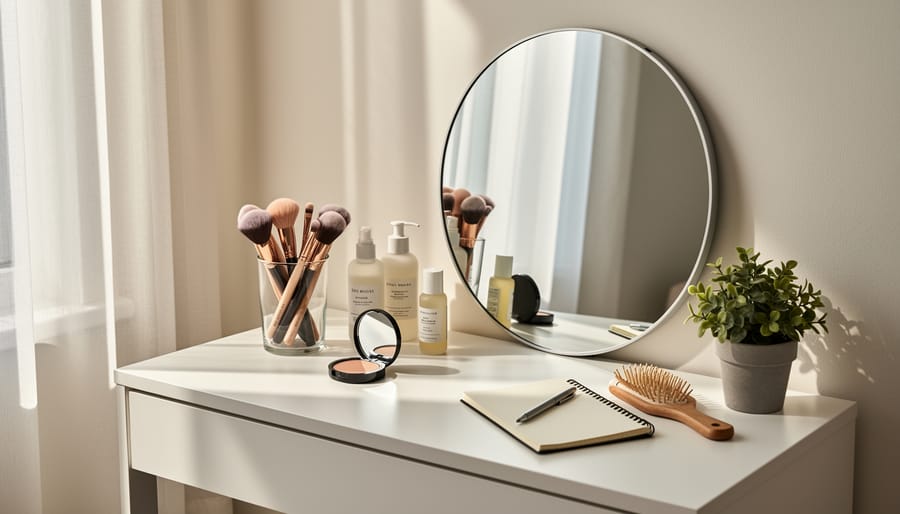
You don’t need a studio or an expensive haul from the craft store to start weaving more creativity into your days. The beauty of enhancing creativity in daily life is that it works with what you already have. I’m talking about items you probably own right now, things that have been sitting quietly on your shelf or tucked into a drawer, waiting to become part of your creative toolkit.
Here’s what will genuinely help you get started:
- A journal or notebook for capturing ideas, recipe experiments, outfit combinations, or random sparks of inspiration
- Inspiration sources like magazines, Pinterest boards, saved Instagram posts, or a collection of recipe cards that light you up
- A designated creative space, even if it’s just a corner of your kitchen counter, your vanity, or a drawer you’ve cleared out
- Time blocks on your calendar, even 15-minute pockets marked as non-negotiable creative play
- Your phone’s camera or notes app to snap photos of color combos, textures, or ideas you spot throughout the day
Notice what’s missing from this list? Specialty equipment, pricey supplies, or anything that requires a big investment. The truth is, creativity thrives when the barriers are low. A notebook costs a few dollars. Pinterest is free. Your kitchen counter is already there. What matters most isn’t the fanciness of your setup but your willingness to show up and experiment. When I started treating my vanity as my creative corner, complete with a little dish for inspiration photos I’d torn from magazines, my morning routine transformed from autopilot to genuine play. That shift didn’t cost me anything except permission to see what I already had in a new light.
Before You Begin: What to Watch Out For
Before you dive into daily creative habits, let’s talk about the invisible obstacles that can quietly drain the joy right out of this journey. Perfectionism is the first culprit, it whispers that your makeup experiment needs to look Instagram-ready or your recipe tweak should rival a food blogger’s version. That voice lies. Creativity thrives in messy first attempts, not polished outcomes. The link between perfectionism and social media makes this trap even stickier, turning innocent scrolling into a comparison minefield where everyone else’s highlight reel makes your everyday efforts feel inadequate.
Another pitfall is over-scheduling your creative time until it feels like another chore on your to-do list. Creativity needs breathing room, not rigid pressure. And here’s something we don’t talk about enough: ignoring rest. Just as aging gracefully involves listening to your body’s wisdom, creative growth requires honoring when you’re tired. Approach this entire process with the same self-compassion you’d offer a good friend, celebrate small wins, laugh at flops, and remember that the point is more joy, not another avenue for self-criticism.
Step-by-Step: Daily Habits to Unlock Your Creative Flow
Step 1: Start Your Morning with a Creative Beauty Ritual
Your morning beauty routine is a perfect place to start flexing your creative muscles. Instead of autopilot application, treat your vanity like a little laboratory. Try that eyeshadow shade you’ve been nervous about, or layer two lip colors to see what happens. Mix a drop of facial oil into your foundation for a dewy finish, or experiment with blush placement, higher on the cheekbones for a lifted look, or across the nose for a sun-kissed vibe.
I stumbled onto my all-time favorite lipstick shade this way. I was running late and grabbed what I thought was my usual nude, only to discover I’d accidentally picked up a rosy-mauve my sister left behind. It transformed my whole look, and now I reach for it constantly. That happy accident taught me something important about the benefits of creativity: when you give yourself permission to play, you discover things perfectly tailored to you that you’d never find by following the rules.
Step 2: Turn Cooking Into a Playful Lab
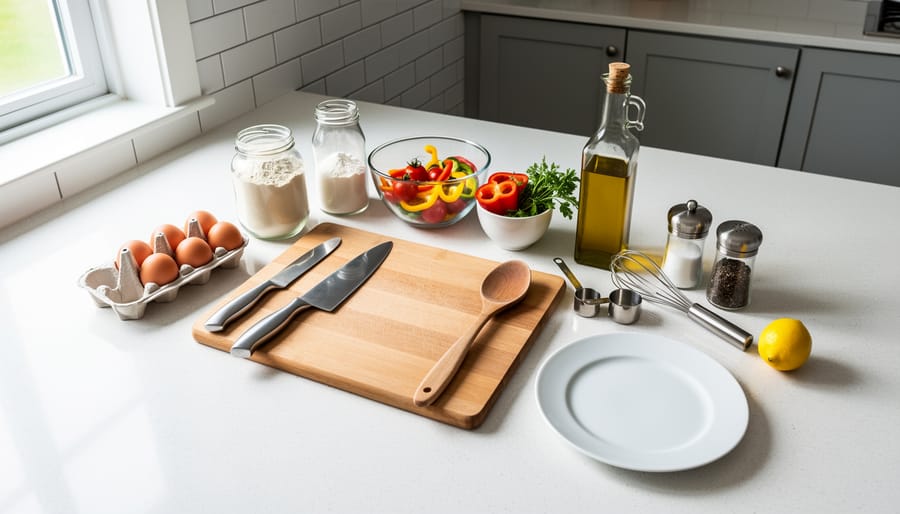
Cooking doesn’t have to follow the recipe to the letter. Think of your kitchen as a playground where you’re free to experiment, swap basil for cilantro, add a pinch of cinnamon to your tomato sauce, or see what happens when you roast vegetables with honey instead of olive oil. Some of my best dinners came from happy accidents, like the night I ran out of cream and used coconut milk in pasta instead. My family still requests that dish.
Start small: pick one recipe this week and change just one ingredient. Notice how it shifts the flavor, the color, the whole vibe of the meal. Treat plating as part of the creative process too, arrange your salad like you’re composing a painting, or stack your pancakes with berries cascading down the side.
Keep a cooking journal nearby. Jot down what you tried, what delighted you, and what flopped. These notes become your personal recipe vault, filled with ideas that spark joy and flavors that feel uniquely yours.
Step 3: Express Yourself Through Fashion Choices

Your closet holds endless possibilities for creative expression, if you let it. Each morning, choosing what to wear is a chance to play with color, texture, and silhouette in ways that reflect how you’re feeling. Try pairing a floral blouse with striped pants, something you might usually skip. Layer unexpected accessories: a chunky necklace over a turtleneck, or sneakers with a midi dress. These small choices transform getting dressed from autopilot into an act of self-discovery.
If you’re unsure where to start, explore proven fashion styling tips that help you mix pieces with confidence. The goal isn’t perfection, it’s picking outfits that make you smile when you catch your reflection. When you dress in ways that feel authentically you, creativity ripples into the rest of your day. You’ll notice you walk a little taller, speak up more freely, and approach challenges with fresh energy. Your wardrobe becomes a living canvas, one outfit at a time.
Step 4: Capture Ideas as They Come
Your best ideas rarely arrive at convenient times. They show up while you’re folding laundry, driving carpool, or standing in the shower. The trick isn’t forcing inspiration, it’s being ready to catch it when it appears.
Keep a small notebook in your purse, use your phone’s notes app, or tuck a pad in your kitchen drawer. When a recipe tweak pops into your head or you imagine a scarf paired with that dress differently, write it down immediately. No judgment, no editing, just capture.
I started doing this after losing countless outfit ideas between my closet and the coffee maker. Now my phone holds a running list of color combinations, leftover ingredient inspirations, and makeup techniques I want to try. Most never become anything formal, but having them ready means I’m never starting from scratch when I want to experiment.
Step 5: Carve Out 15-Minute Creative Pockets
You don’t need hours to feel creative, just fifteen minutes of permission to play. These pockets work best when they’re low-stakes and genuinely fun: test a messy bun tutorial you saved, arrange grocery store flowers in an unexpected vase, or drizzle chocolate over leftover fruit in swirly patterns. The key is consistency, not perfection. I keep a “15-minute ideas” list on my phone, things like trying a new nail art technique or rearranging my vanity, so when a pocket opens, I don’t waste it deciding. These tiny escapes add up, training your brain to seek joy in small moments throughout the day.
How to Know It’s Working: Signs Your Creativity Is Thriving
You’ll know your creative experiments are paying off when small shifts start appearing in unexpected places. Maybe you catch yourself humming while chopping vegetables because cooking feels less like a chore and more like play. Or you notice that getting dressed in the morning brings a spark of excitement instead of decision fatigue. These aren’t dramatic transformations, they’re gentle ripples that signal creativity is becoming part of your daily rhythm.
Another telltale sign is how ideas arrive. You might find yourself thinking “what if I tried this?” more often, swapping ingredients on a whim, pairing that scarf you forgot you owned with your favorite jeans, or testing a new eyeliner angle just because. Friends and family may start asking what’s different about you, or complimenting dishes and outfits you threw together without overthinking. That outside validation is nice, but the real indicator is internal: you feel lighter, more present, more like yourself.
Once you recognize these shifts, consider what’s next. Join a local cooking class or online beauty community where people share experiments and cheer each other on. Text a photo of tonight’s dinner plating to a friend who gets it. Expand your creative pockets into areas you haven’t explored yet, rearranging a bookshelf, letting your kids pick wild ingredient combos for weekend pancakes, or sketching out ideas for a gallery wall. Creativity builds on itself. The habits you’ve planted will keep growing, branching into corners of life you didn’t expect, as long as you keep showing up with curiosity and a willingness to play.
Your Questions About Daily Creativity, Answered
What if I don’t feel creative?
Creativity isn’t a fixed trait you’re born with, it’s a muscle you strengthen through practice. Start with tiny experiments in areas you already enjoy, like adding a new spice to dinner or pairing jewelry in an unexpected way, and notice how small wins build confidence.
How do I find time as a busy mom?
You don’t need hours, just fold creative thinking into what you’re already doing. Let your kids help decorate pancakes, turn getting dressed into a quick mood-boosting ritual, or jot one idea while your coffee brews. Fifteen minutes here and there add up.
Can I be creative without artistic talent?
Absolutely. Creativity shows up in how you arrange a cheese board, remix leftovers into something delicious, or layer a scarf to transform an outfit. It’s about curiosity and self-expression, not drawing skills or perfect Instagram photos.
Do I need to spend money on supplies?
Not at all. Use what you already have, a notebook, kitchen ingredients you’re curious about, scarves or accessories from the back of your closet. The point is playful exploration, not a shopping list.
These questions come up constantly, and I get it, the word “creativity” can feel loaded with pressure. But here’s the truth: you’re already creative every time you solve a problem, make something work with what you have, or put your personal spin on the everyday. Recognizing that shift in perspective is half the battle. The other half is giving yourself permission to experiment without judgment, treating missteps as interesting data rather than failures. When you approach daily routines with a spirit of “What if I tried this differently?” instead of “I have to do it right,” creativity stops feeling like a separate task and starts becoming part of how you move through your day. That’s when it gets fun.
Creativity isn’t something you have to chase, it’s already there in the way you blend your morning coffee, the unexpected earring you choose, or the garnish you add to Tuesday’s dinner. These small moments of self-expression add up to a life that feels more like yours, more alive. You don’t need a studio or special training; you just need permission to play a little, to notice what brings you joy, and to let that joy spill into your everyday choices.
What’s one tiny creative habit that’s brightened your week? I’d love to hear what’s working for you, drop a comment and let’s swap ideas.